
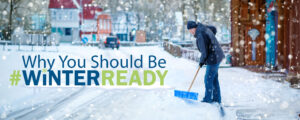
As temperatures plummet across the nation this weekend, ensure that you and your loved ones are winter ready. Older adults are especially at risk for certain climate-related dangers, but basic advice applies to us all. Ensure that your heating system is up-to-date, stock up on food and water, and learn how to respond to hypothermia and frostbite.
For older adults specifically, we recommend using the worksheets and checklists in the Take Control in 1, 2, 3—Disaster Preparedness Guide for Older Adults to create your plan, then add it to your emergency kit or put it on your refrigerator as a visible reminder that you are prepared.
 The CDC recommends friends, family members, or caregivers follow some tips on keeping an older adult safe during the winter months:
- Engage your support network if you need help clearing ice and snow from your property so you can keep outside walkways and steps clear of snow and ice.
- Low lighting is a major cause of falls, so make sure there is enough lighting outdoors, especially near walkways and stairs.
- Have the name and contact information of a nearby family member or friend who can regularly check in on you.
- Make sure your steps are sturdy and have textured grip to reduce falls if the weather is icy or wet.
- If you use walking aids such as a cane, walker, or a wheelchair, dry the wheels or tips of each before entering your home.
- Keep a small table or shelf near the entry door to put items while unlocking the door. This reduces distractions and dangers of slipping or tripping while trying to enter your home.
- If your home’s main entrance is often icy during the winter months, use a different entrance if you can. Stay warm by dressing warmly, and remember to eat enough food to keep yourself at a healthy weight.
 Leave a Message


